Toothaches can be excruciating, and a throbbing pain in your tooth might indicate the need for root canal treatment. If you live in Wanowrie and are facing a potential root canal, this comprehensive guide will equip you with the knowledge you need. We'll delve into the causes and signs of needing a root canal treatment in wanowrie, explore the treatment process, and address any anxieties you might have.
Understanding the Root of the Problem: When is a Root Canal Necessary?
Inside your tooth lies the pulp, a soft tissue containing nerves, blood vessels, and connective tissue. This pulp plays a crucial role in tooth development but isn't essential for a mature tooth's function. When the pulp becomes infected or inflamed, due to various reasons, a root canal becomes necessary. Here are the common culprits:
- Deep Cavity: Untreated cavities allow bacteria to invade the pulp, causing infection.
- Cracked Tooth: A deep crack or fracture can expose the pulp to bacteria, leading to infection.
- Repeated Dental Procedures: Extensive dental work on a tooth can irritate the pulp, eventually causing inflammation.
- Gum Disease: In severe cases, gum disease can spread and damage the pulp.
Signs You Might Need a Root Canal in Wanowrie:
Ignoring a potentially infected tooth can worsen the problem. Here are some signs that might indicate the need for a root canal:
- Persistent Toothache: A throbbing pain that worsens with pressure or hot/cold stimuli.
- Sensitivity to Hot and Cold: Lingering discomfort after consuming hot or cold beverages.
- Swollen Gums: Inflammation around the affected tooth, sometimes accompanied by tenderness.
- Visible Pimple on the Gums: This might indicate an abscess, a pus-filled pocket caused by a severe infection.
- Loose Tooth: In advanced cases, infection can weaken the bone supporting the tooth, leading to loosening.
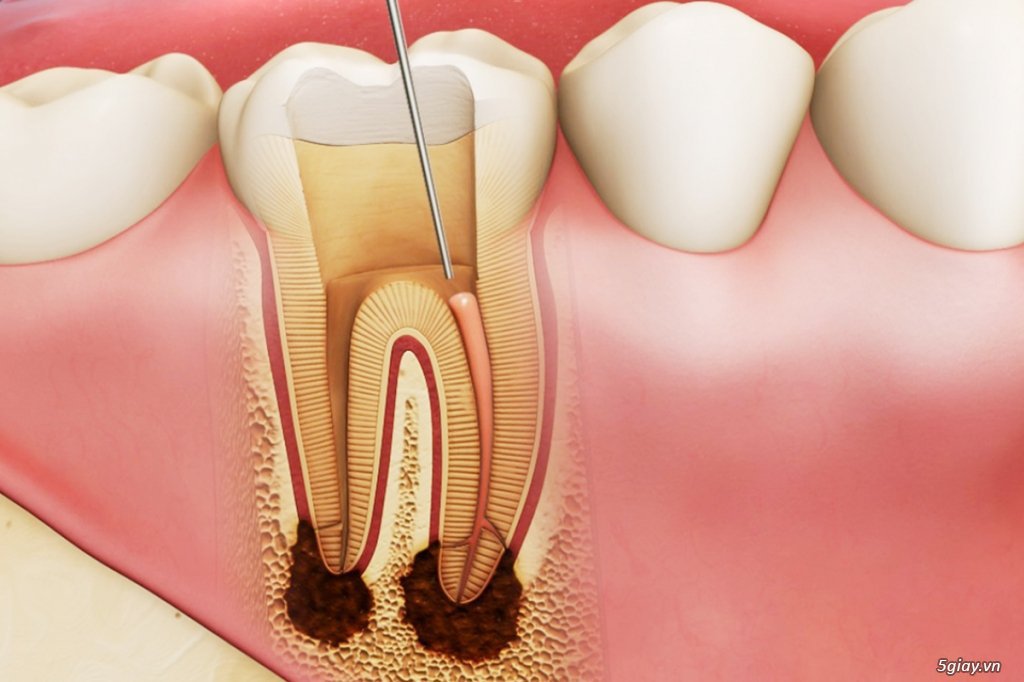
Facing the Root Canal: What to Expect During Treatment in Wanowrie
While the term "root canal" might sound daunting, it's a relatively routine procedure performed by qualified dentists in Wanowrie. Here's a breakdown of the typical steps involved:
- Diagnosis and X-ray: The dentist will conduct a thorough examination and take X-rays to assess the extent of the infection.
- Local Anesthesia: Anesthesia numbs the area around the tooth, ensuring a comfortable experience.
- Accessing the Pulp: The dentist creates a small opening in the tooth crown to access the infected pulp.
- Pulp Removal: Using specialized instruments, the dentist carefully removes the infected pulp tissue.
- Cleaning and Disinfection: The dentist thoroughly cleans and disinfects the root canals to eliminate any remaining bacteria.
- Filling the Canals: The cleaned canals are filled with a special material to prevent reinfection.
- Temporary Filling: A temporary filling is placed on the tooth to protect it until the permanent restoration.
- Permanent Crown: In a subsequent appointment, the dentist places a permanent crown to restore the tooth's strength and aesthetics.
Root Canal Myths Debunked: Addressing Your Concerns
Many misconceptions surround root canals. Here's a look at some common myths debunked:
- Myth: Root canals are painful. Reality: Modern dentistry utilizes local anesthesia, ensuring a comfortable experience.
- Myth: Root canals are dangerous. Reality: Root canals are a safe and effective way to save a tooth and prevent the spread of infection.
- Myth: Root canals are expensive. Reality: The cost of a root canal can be less expensive than extracting a tooth and replacing it with a bridge or implant.
Conclusion: Taking Charge of Your Oral Health in Wanowrie
A root canal treatment in wanowrie can be a lifesaver for your tooth. By recognizing the signs and seeking timely treatment from a qualified dentist in Wanowrie, you can preserve your natural tooth structure and maintain a healthy smile. Remember, early diagnosis and treatment are key to a successful root canal and a pain-free future. So, don't hesitate to schedule a consultation with a dentist if you experience any concerning symptoms. With proper care and treatment, your smile can stay healthy and strong for years to come.


No comments:
Post a Comment